The Anchor Pattern:
Why You Feel Responsible for Everything
Not sure if you're The Anchor?
Take the 2-minute quiz here.
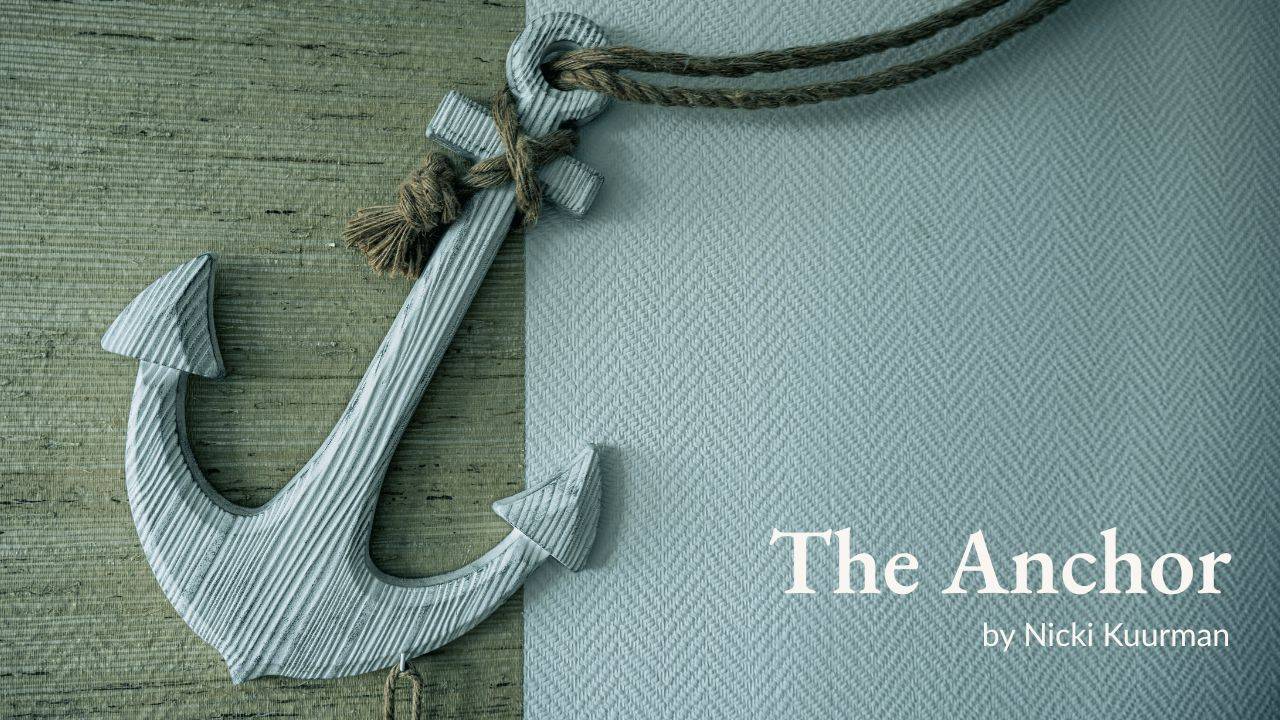
When strength turns into over-responsibility
If you recognised yourself as The Anchor, your nervous system has learned to create safety by stepping up and carrying more.
You stabilise situations quickly.
You organise.
You hold things together when others wobble.
This often happens automatically – before you’ve even had time to notice what you need.
If something needs doing, you do it.
And for a long time, this has probably worked.
People rely on you because you’re capable.
You handle things others struggle with.
You rarely collapse under pressure.
From the outside, this looks like strength.
But inside, there’s often something else quietly present:
exhaustion that REST doesn’t fully fix.
You may still be achieving.
Still functioning.
Still showing up for everyone.
But something inside you is quietly asking:
How long can I keep carrying like this?
The deeper pattern
When life becomes uncertain or unstable, your nervous system
activates control and responsibility as its primary coping strategy.
Instead of withdrawing or panicking, you increase effort.
You hold the structure.
You manage the situation.
You keep everything moving.
This is an incredibly intelligent survival strategy.
But over time, it can create an invisible burden.
Because when your system believes stability depends on you,
putting things down starts to feel dangerous.
Even when you're tired.
Even when help is available.
Even when you logically know everything doesn’t depend on you.
This is exactly the kind of pattern we explore in Soul Guidance.
Being the strong one doesn’t mean you have to carry it all.
The shift back into alignment
The Anchor does not need to become weaker.
You don’t need to do less.
You don’t need to stop being capable.
What your system actually needs is permission to stop holding everything alone.
When the Anchor realigns, something subtle but powerful happens.
Strength remains.
But pressure disappears.
You’re still capable.
Still steady.
Still reliable.
But now you’re supported instead of strained.
The body relaxes.
Breath deepens.
Energy returns.
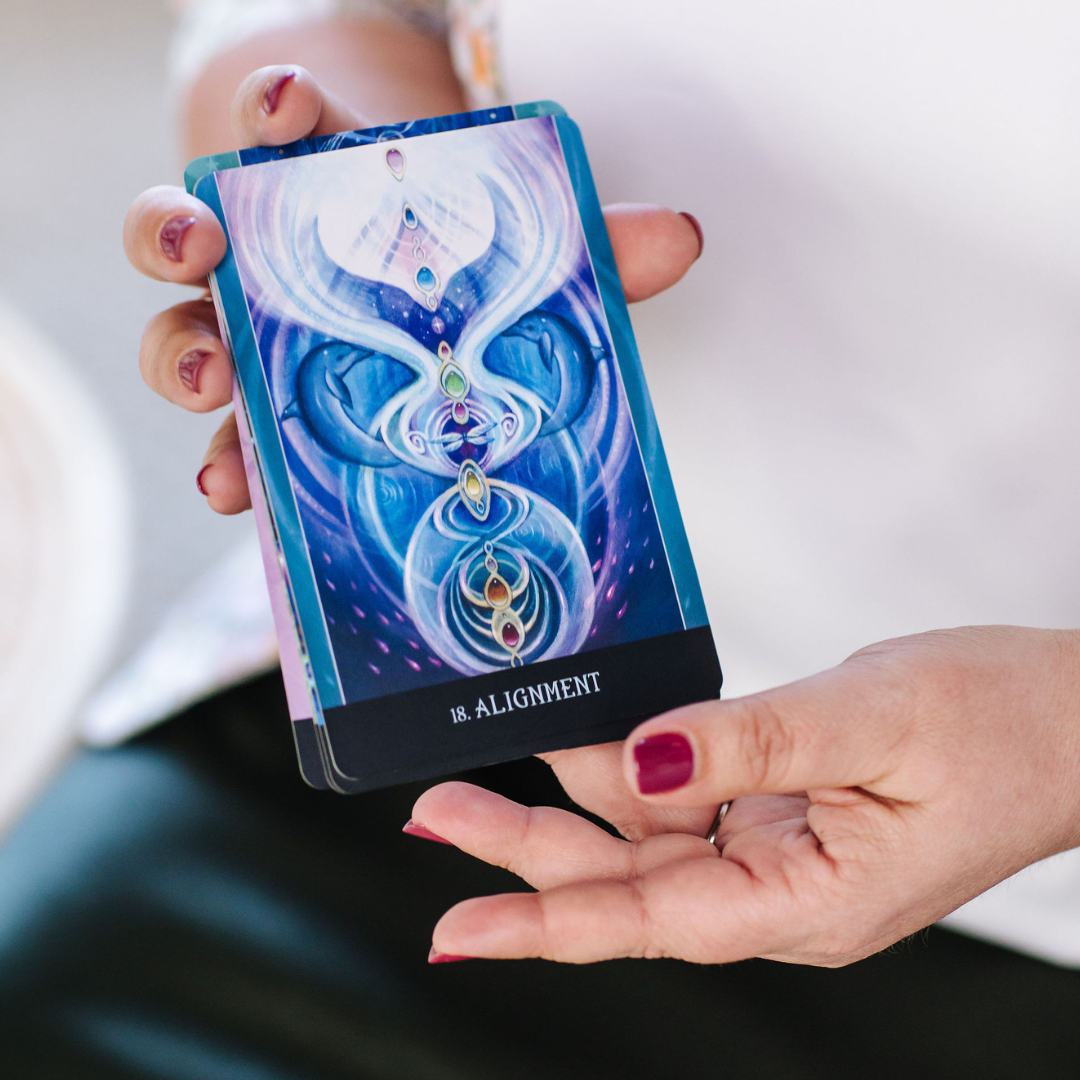
What alignment feels like for The Anchor
When the nervous system no longer believes everything depends on you, something begins to soften.
You don't become less capable.
You don't stop caring.
You simply stop carrying everything alone.
A gentle next step
Recognising this pattern can bring a surprising sense of relief.
Many Anchors have spent years being the reliable one. The dependable one. The one who keeps everything moving when life becomes uncertain.
Over time, carrying so much can start to feel normal.
So normal that you may not even realise how much weight you've been holding.
In a Soul Guidance session, we gently explore the patterns that have taught you to carry so much responsibility and create space for your nervous system to experience support again.
Nothing needs to be fixed.
Nothing needs to be pushed through.
Just a calm, supportive space where you can put some of the weight down.

Every session is different, but together we might gently explore:
- Where responsibility became linked to safety
- What you've been carrying that no longer belongs to you
- Why receiving support can feel uncomfortable
- How to soften without losing your strength
- What sustainable support feels like in your body
You don't need to carry everything alone.
Explore Soul GuidanceMany capable, caring women recognise themselves in this pattern.
The Anchor isn't controlling.
She's responsible.
Reliable.
Deeply committed.
And often, she's been carrying far more than anyone realises - including herself.
When you're ready, Soul Guidance offers a grounded space to put some of the weight down, reconnect with yourself, and discover what becomes possible when support is allowed in.
Explore Soul Guidance